

How to Go About Boarding Up a Door
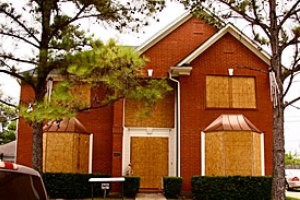
The act of boarding up a door is one way to protect vacant investment properties from the elements. It's not a guarantee against all damage however it can help to avoid some of the issues that are associated with severe storms.
The boarding of doors and windows will also discourage trespassers and vandals. Installing plywood panels over openings can be costly and time-consuming.
Measure the Door
The first thing you'll require is a tape measure. It is also advisable to keep a chair or ladder on hand in case you have to get a better look at the top of the frame. If you need to use these tools, make sure to wear gloves and safety glasses.
Begin by measuring the door's width. This can be done by running the tape measure horizontally across the door. Be sure to remove any extra door parts like the door sweep, from the measurement. Then, take a measurement of the height by measuring from the floor to the existing sill or the lintel. It is important to measure in multiple locations, particularly when measuring older doors as they might not be a perfect rectangular shape. If the measurements are different then use the largest number.
You'll have to determine the dimensions of the frame once you've determined the height and width. Ideally, it should be 2'' larger than the door and 1 inch thicker than the door. 2'' higher. This will give you enough room to shim both the door and frame into place.
When you're ready to take the door frame's width and height measurements It's a good idea to remove any trim or casing around the door jambs so you can see the studs behind them. This will allow you to determine the exact dimensions of the gap between studs and the frame.
Once you've removed the trim, you can then determine the dimensions of the door frame by running the tape measure across the entire frame in three locations and using the smallest measurement to determine your door's width. Also, you should take a measurement of the height of the frame from the top to bottom on both sides, and use the most compact measurement as the height of your door.
If you're having difficulty with these measurements it's best to speak with an expert and have them come to your home to do the measuring for you. They will tell you what size and style of door you require and how to prepare your frame for a new door.
Plywood can be cut into pieces
A door frame is typically made up of a series thin boards or studs which create a hollow space surrounding the door. Two hinges are attached to the studs and keep the door in place. This means that, if you wish to refinish the door, it is necessary to remove the hinges from the door over the course of a few days. Placing plywood into the door's opening is a simple method to enclose the door and keep insects from getting into your home. It's easy to do this without having to nail or screw the plywood to the frame of the door.
Plywood is simple to work with, cheap and looks great once it's completed. This makes it the perfect material for an interim solution to a problem that requires removing an existing door while renovating or installing a brand new one. It can also be useful to secure the opening in an area that is being renovated, like an unfinished basement or construction site.
To build a wall made of plywood, start by measuring the width and height of the door opening. Note the measurements using a utility blade and a straight edge of metal, such as a drywall or a metal square. Then, snap an outline of chalk across each line to indicate where to cut. Utilize a circular blade to cut the plywood to the desired size.
It is essential to protect both your eyes and ears when cutting plywood. Wear protective goggles or earplugs whenever possible. In addition, it's essential to choose a blade with a lot of teeth that can cut quickly and with minimal tear-out. To reduce the chances of breaking pieces of wood from the edges of your cut, use a small block of wood as a template to guide the blade and hold it just a hair's width away from the mark while cutting.
Fastening a pair of short braces at each end is a great way to hold the plywood in place, without screwing it into the studs. Set one brace side that is inside and the other one on the outside of the door. Then, position two 1-1/2-inch deck screws in each of the holes and tighten them using an open-end wrench.
Fasten the Plywood
It's time to join the frame to the panel once you have the plywood sheet cut to the correct dimensions and the holes for the stiles and rails of the door frame are predrilled. It is a fairly easy project that doesn't require a lot of carpentry expertise, so long as you follow the right procedures and use the right tools.
Set up a table in the doorway, with two sawhorses at each end and framing lumber 2x4s. Lay the full sheet of plywood flat on top of the sawhorses and use the marks made during the measurement process as a reference for cutting. Score the lines with the help of a utility knife, a drywall square or other metal straight edge. This will act as a guide for the saw blade and will prevent splintering of the plywood when you cut it.
Put on eye protection and cut along the lines of scoring using a circular or table saw with a fine-tooth blade. Then sand the edges of the plywood panel using 120-grit sandpaper. This will smooth out the panels and remove any burrs that may have formed from the saw cuts. After the sanding process, apply a coat of wood sealer to the plywood panels and allow to dry according to the instructions of the manufacturer.
Install the hinges on the door frame. If you're using T hinges, make holes through the outer face of the door to accommodate the straps of the hinges. Then, you can screw the hinge on the outside to the frame with the screwdriver. Repeat the procedure on the inside of the door for the remaining hinges, being cautious not to tighten too much on any of them or the panel may shift.
If you are using an outside hinged door with only one T, you can make it easier to close and lock with a chain latch by fishing a piece of wire through the loops on the outside hinges. Fold a short piece to make a half-way tie, and then fish it through the two holes on the exterior of the door. Then, twist the wires and fix the door.
Install the Plywood
Based on the measurements you have taken and place the plywood into the door opening. Move the header of the frame (top) and the sill. Use a level to make sure there's no slop in either the header or sill. If it isn't perfect, place another shim where it is needed and continue the process until the sill and the header are even.
Once the plywood has been put set, secure it using the stainless-steel hinge bolts and wingscrews. It is a good idea to use a screw gun with a hex-head attachment to keep the head from being stripped of the screws.
While you're at it, If your home was constructed with studs running through the doorway's height, drill hanger bolts through the plywood and into each framing stud. boarding up company is a far easier task than cutting the hole with the aid of a drywall saw.
After putting the plywood in place take measurements of the width and height of your door opening. If needed, trim the bottom of the plywood to fit the height of your door frame. Cut two pieces of framing lumber 1-by-6 to serve as braces for the upper and lower edges. Put on eye protection and cut along the lines that are marked on the plywood with a circular saw equipped with a fine-toothed blade. Remove any splinters from the cuts using the help of a Sanding block.
Once you have the braces in place attach each one to the plywood with pairs of 2-inch finishing nails. Counter-sink all nail heads once you're done. Cover the braces with a good wood sealing product, like the wipe-on polyurethane by Minwax.
If the door is too large it is possible to add decorative molding to fill the space between your door and jamb or you can alter the size of your opening. In many situations, it's more affordable and easier to simply choose the right door. This can also alleviate any problems you might have had with the door you originally purchased if it was damaged and didn't fit for the opening.